Financial Technology (FinTech)
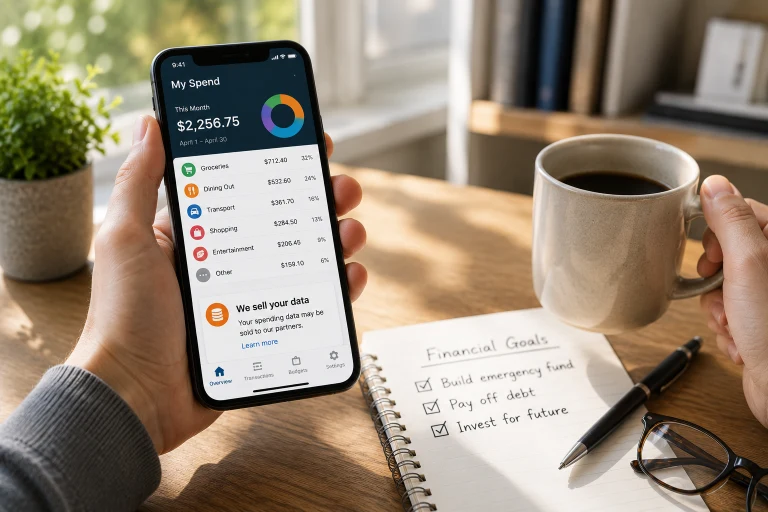
Should You Ever Use a Financial App That Sells Your Spending Data?Financial apps have transformed the way people budget, invest, and track spending, often offering sophisticated tools at little or no upfront cost. Yet many of these services generate revenue by collecting, analysing, and sometimes selling anonymised or aggregated user spending data to third parties. This raises a difficult question: is exchanging personal financial information for convenience a reasonable trade-off, or does it expose consumers to unnecessary privacy and security risks? Experts agree that financial apps can deliver genuine value, but they also stress that transparency and informed consent are essential. The debate is ultimately about trust—whether consumers can confidently understand how their financial data is used and whether the benefits justify the potential loss of privacy.
Financial Technology (FinTech)
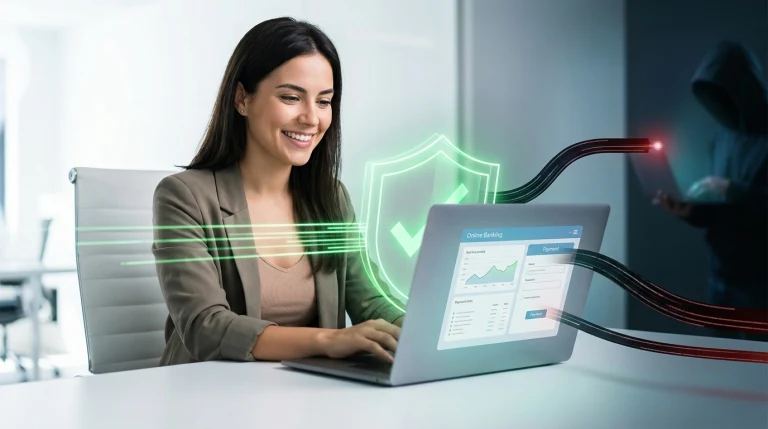
Is Your Antivirus Software Actually Protecting Your Financial Data — or Just Giving You False Confidence While the Real Threats Go Elsewhere?Installing antivirus software is often viewed as the first—and sometimes only—step toward protecting personal finances online. Yet as cybercriminals increasingly rely on phishing, social engineering, ransomware, and stolen credentials instead of traditional malware, security experts question whether antivirus alone can keep pace with modern threats. While today's antivirus platforms are more sophisticated than ever, incorporating artificial intelligence and behavioural analysis, they remain only one layer of a much broader defence strategy. The real challenge is not choosing the best antivirus software, but understanding that financial security depends just as much on human behaviour, strong authentication, and vigilance as it does on any application running in the background.
Financial Technology (FinTech)
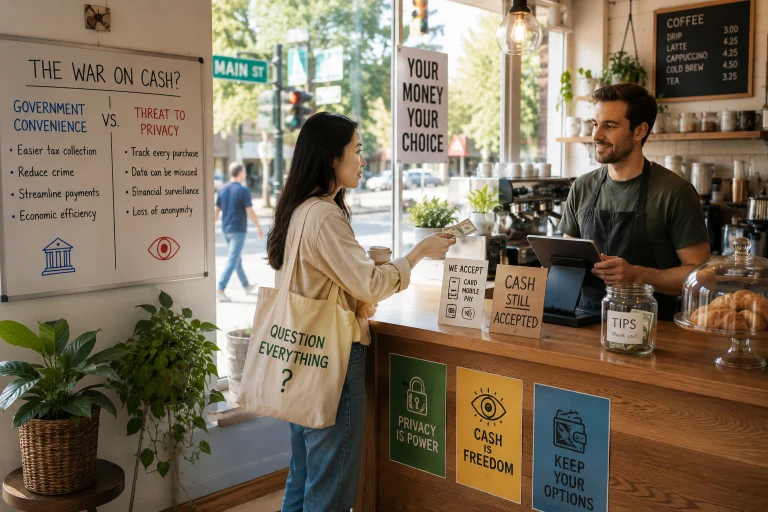
Is Biometric Payment Technology Making Fraud Easier to Commit — or Harder Than Any Password Ever Was?Fingerprint scans, facial recognition, and other biometric payment systems are rapidly replacing passwords and PINs as consumers demand faster, more secure transactions. Supporters argue that biometrics offer a significant security advantage because they rely on characteristics that are far more difficult to steal or guess than traditional credentials. Critics, however, warn that while passwords can be reset after a breach, biometric identifiers are permanent. If compromised, they cannot simply be replaced. The debate is no longer about whether biometrics improve convenience—they clearly do—but whether they strengthen digital security overall or introduce new risks that financial institutions and consumers must carefully manage.
Financial Technology (FinTech)
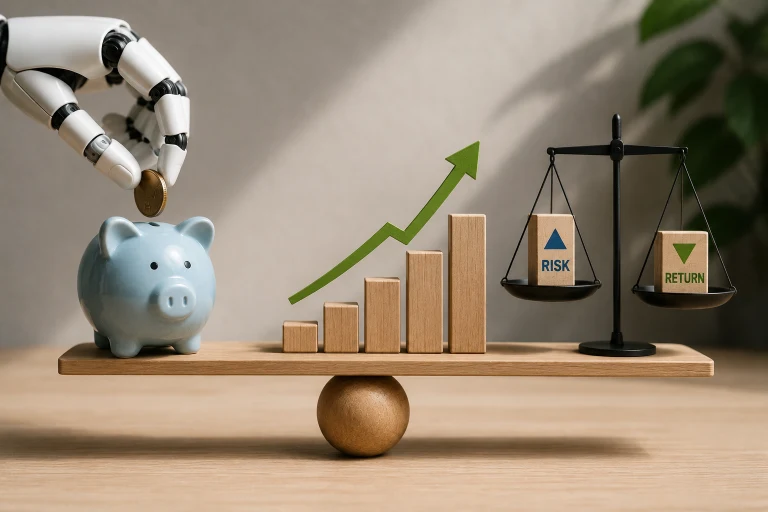
Should You Let AI Manage Your Investment Portfolio Autonomously?Snowboarding built its identity in opposition to everything ski culture represented — then Shaun White won three Olympic gold medals and a generation grew up thinking the halfpipe was always the point. Jake Burton, Terje Haakonsen, and Hannah Teter debate whether competitive snowboarding finally found its legitimate place or traded its soul for a podium.
Financial Technology (FinTech)
Is Fintech Democratizing Finance — or Just Giving More People Faster Access to Products That Still Don't Work in Their Favor?Over 1.7 billion adults worldwide still lack access to basic financial services — and fintech promises to change that. But Kathryn Petralia, Ruth Hedges, and Michael Kitces debate whether these innovations are genuinely empowering underserved communities or just giving more people faster access to products that still don't work in their favor.

Financial Technology (FinTech)
Investing in AI: A Golden Opportunity or a Risky Gamble?The AI market is projected to exceed $500 billion — but are today's sky-high valuations grounded in real numbers or just a compelling story the market hasn't had to prove yet? Kathy Johnson, Mark Robinson, and Dr. Lisa Chen debate whether now is the moment to invest in AI companies or the moment to wait for the hype to meet reality.