Snowboarding built its identity in opposition to everything ski culture represented — then Shaun White won three Olympic gold medals and a generation grew up thinking the halfpipe was always the point. Jake Burton, Terje Haakonsen, and Hannah Teter debate whether competitive snowboarding finally found its legitimate place or traded its soul for a podium.
As snowboarding continues to evolve, a pertinent question surfaces: Has the shift toward competitive formats allowed the sport to find its legitimate place in the world, or has it led to a compromise of its foundational spirit?
Context
Snowboarding emerged in the late 1960s and 1970s as a counter-cultural expression of freedom and creativity — a direct challenge to the traditional skiing establishment. The introduction of snowboarding to the Winter Olympics in 1998 marked a pivotal moment, bringing with it the promise of legitimacy but also the specter of commercialization. Today, with riders like Shaun White achieving household name status, the question of authenticity remains more relevant than ever.
Perspective: Jake Burton
Jake Burton, the legendary founder of Burton Snowboards, believed fervently in both the artistic and competitive aspects of snowboarding. He advocated for snowboarding's evolution into organized competition, arguing that it was essential for the sport to gain recognition and financial support. "We had to show the world that snowboarding was a legitimate sport, not just a fad," he stated.
Burton saw the path to legitimacy not as a betrayal of the culture, but as a necessary evolution — asserting that competition could coexist with the freestyle spirit that defined early snowboarding.
Perspective: Terje Haakonsen
Terje Haakonsen, one of the most respected and innovative riders in snowboarding history, has famously boycotted the Olympics, citing concerns about the commercialization and control of the sport's identity. He argues that competitive formats often force riders to conform to regulations that stifle the artistry and creativity central to snowboarding's culture.
"Snowboarding is about freedom and personal expression. When you impose judged competitions, you commodify what should be an art form," Haakonsen remarked. For him, the trade-off is too steep — the soul of snowboarding risks being lost in a world driven by sponsors and medals.
Advertisements
Perspective: Hannah Teter
Olympic snowboarder Hannah Teter offers a more nuanced view, recognizing the merits of both competition and artistic expression. As an Olympian who has won gold, she understands the excitement competition brings but also appreciates the roots of snowboarding culture. "There is immense beauty in freestyle riding, and competition brings exposure. However, we must ensure that the passion for the mountain isn't lost in the quest for a podium."
Teter advocates for a balance, emphasizing that riders should be encouraged to express themselves authentically while also embracing the opportunities that competitive formats provide.
Editorial Synthesis
Where Experts Agree
All three perspectives recognize that snowboarding's integrity and cultural roots must be respected. There is a shared desire to ensure that competitive aspects do not completely overshadow the creative and free-spirited essence of the sport.
Where Experts Disagree
Burton sees competition as necessary for legitimacy, while Haakonsen views it as potentially destructive to the sport's identity. Teter argues for a middle ground, acknowledging that both competition and artistry can coexist.
Why This Matters
This tension between competition and artistic expression reflects broader questions about the nature of sport and culture. As snowboarding continues to grow in popularity, stakeholders — from riders to event organizers — must grapple with how to preserve the essence of snowboarding while allowing it to evolve.
The answer may lie in fostering environments that celebrate both the competitive achievements and the free spirit that first drew individuals to the mountains — ensuring that snowboarding remains a dynamic and authentic cultural phenomenon.
Expert Viewpoints
Cathie Wood — CEO, ARK Invest
"Pro AI Management"
Position: Pro_side_a
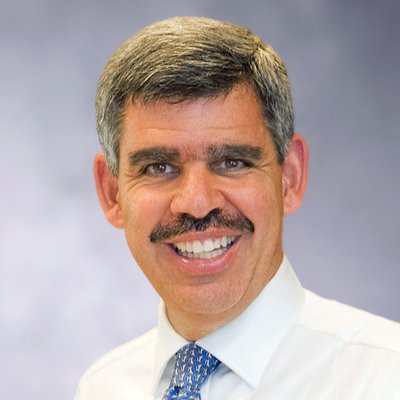
Mohamed El-Erian — Chief Economic Advisor, Allianz
"Cautionary Approach"
Position: Pro_side_b
Kristen Carr — Certified Financial Planner
"Balanced View"
Expert Context

TheFacturation's Take
Navigating the AI Investment Dilemma
The debate surrounding the autonomy of AI in investment management is not simply about technology; it's a profound inquiry into control, strategy, and human judgment. As highlighted by industry leaders like Cathie Wood, while AI can transform investment efficiency and data analysis, its reliance demands a balanced approach. Investors should embrace AI's capabilities but remain wary of its limitations, particularly in volatile markets. Maintaining human oversight ensures that critical market signals are not overshadowed by algorithmic decisions. Therefore, a hybrid strategy—where AI supports but does not replace human intuition—may strike the right balance, enabling investors to navigate today’s complexities without losing their grip on the helm of their financial futures. We're at a pivotal point in the investment landscape, and the choice is clear: leverage AI's strengths while upholding the invaluable human touch that remains irreplaceable in decision-making.



No comments yet. Be the first to weigh in.