Global Business / Economy
Is the Pursuit of Financial Independence Replacing Community With Optimization — and Losing Something That Doesn't Appear in Any Spreadsheet?Is chasing financial independence quietly trading away the community bonds that no spreadsheet can capture? Dr. Thomas S. W. Gorman, Kara Stevens, and Gary Vaynerchuk debate whether the FIRE movement's relentless optimization empowers people to give back — or isolates them from the relationships that matter most.

Global Business / Economy
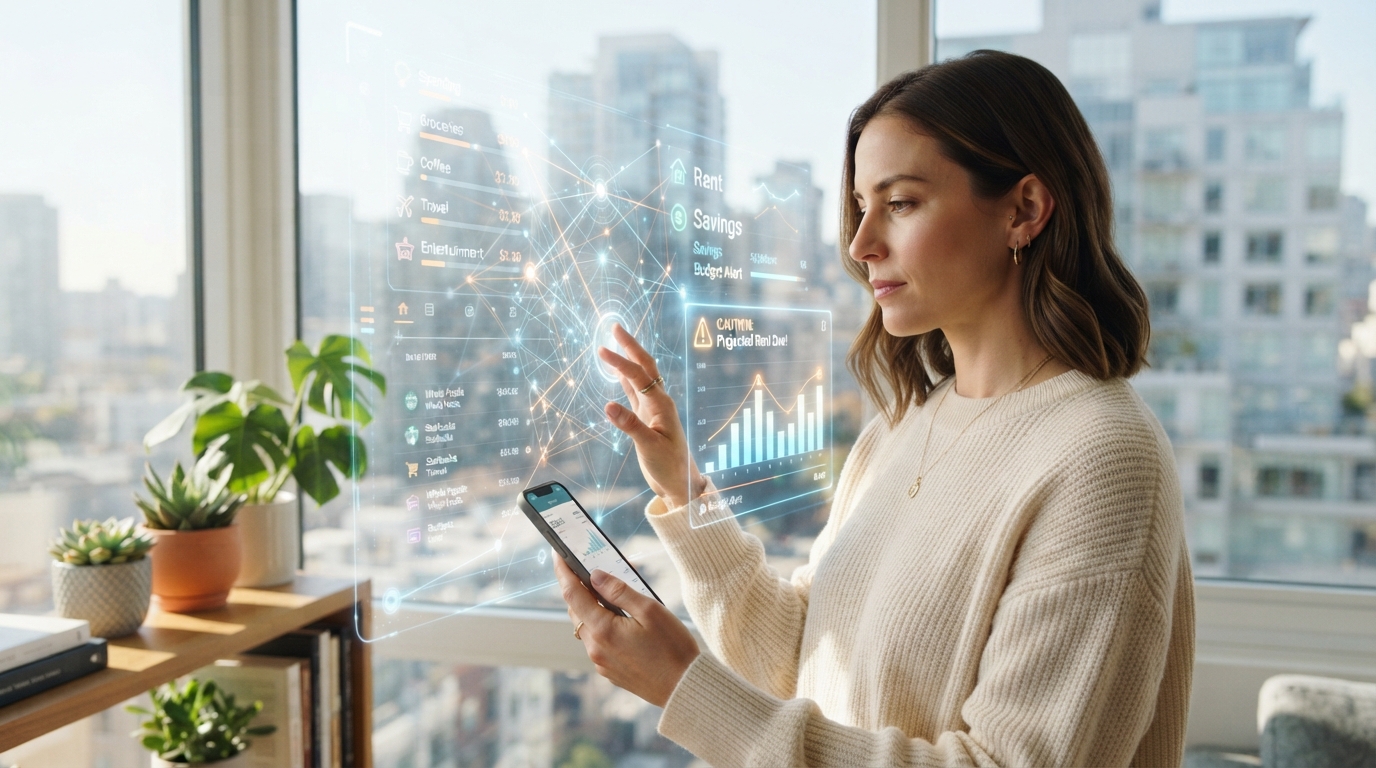
Is Consent in the Age of Financial Super Apps a Legal Fiction — or Something That Could Be Fixed If Anyone Actually Wanted To?When you click "I agree" on a financial super app, do you actually know what you're consenting to? Liz Weston, David Z. Morris, and Nicolas Berggruen examine whether meaningful consent is even possible in today's data economy — or whether it's become a legal fiction nobody has the will to fix.

Bitcoin / Crypto
Is Ethereum Becoming the Financial Infrastructure of the Internet — or a Platform That Keeps Promising to Scale Without Ever Quite Getting There?Is Ethereum destined to become the backbone of global finance — or stuck in an endless cycle of promised scaling that never quite arrives? Vitalik Buterin, Andreas M. Antonopoulos, and Elizabeth Stark debate whether Ethereum's programmability can outweigh its congestion and fee problems.
Global Business / Economy
Is the Middle Class a Financial Category — or an Identity That People Cling to Long After the Numbers Say Otherwise?Is being "middle class" about your bank balance — or about who you believe yourself to be? Richard Reeves, Dr. Karen Whitfield, and Dr. Marcus Yoon debate whether the middle class is a shrinking financial bracket or a resilient identity people hold onto even as the numbers no longer back it up.

Financial Technology (FinTech)
Is Real-Time Financial Data Making Investors Smarter — or Just Giving Anxiety a Live Feed?Live tickers and instant market data promise smarter investing — but are they actually just feeding anxiety? Robert Shiller, Liz Ann Sonders, and Michael Kitsis debate whether real-time financial data empowers investors or fuels panic-driven decisions.

Bitcoin / Crypto
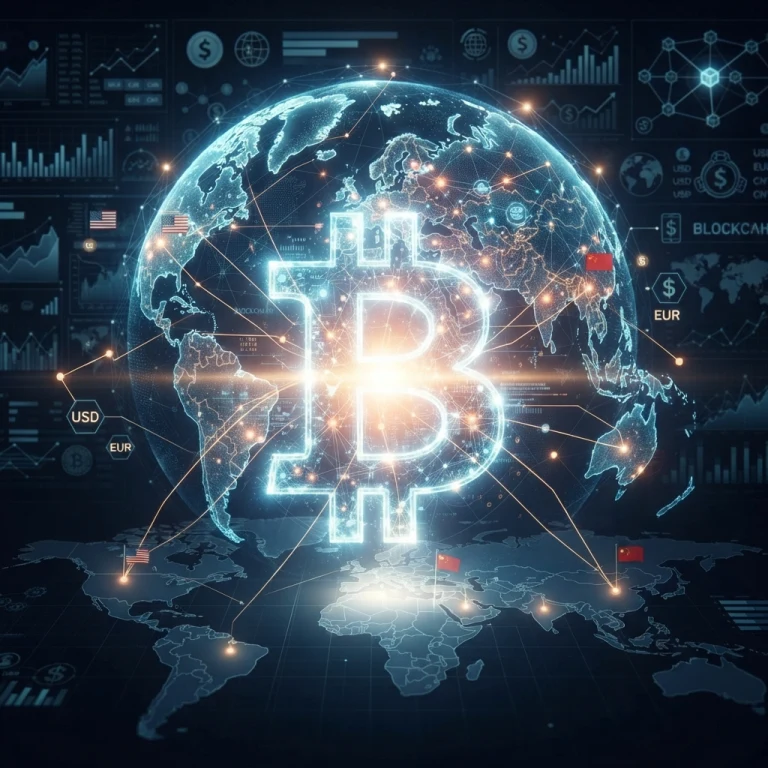
Is Bitcoin Becoming a Geopolitical Asset Before It's Finished Becoming a Financial One?Is Bitcoin evolving from a speculative asset into a genuine geopolitical weapon? Lawrence Lessig, Vivek Wadhwa, and Gretchen Morgenson debate whether cryptocurrency can bypass sanctions and reshape international power — or whether its volatility keeps it from ever being a serious tool of statecraft.