
Financial Technology (FinTech)
Is AI-Generated Financial Research Trustworthy Enough to Trade On — or Are We Automating the Production of Confident-Sounding Mistakes at Industrial Scale?Can you actually trade on AI-generated financial research — or is it just producing confident-sounding mistakes at scale? Dr. Jim McKinney, Sarah Thompson, and Michael Steven debate whether AI's speed and data-processing power can be trusted without human oversight, and what happens when algorithms are only as good as flawed or context-blind data.

Investments / Wealth Building
Is Sovereign Debt the Slow-Moving Crisis That Developed Economies Have Already Decided to Inflate Their Way Out Of?With global debt topping $296 trillion, have developed economies quietly decided to inflate their way out of the crisis? Paul Krugman sees moderate inflation as a rational tool for easing debt burdens, Kenneth Rogoff warns it's a historically precarious gamble that risks spiraling expectations, and Gita Gopinath argues the answer depends on a country's institutional strength and how carefully inflation is managed.

Global Business / Economy
Is Emotional Spending the Real Reason Most Budgets Fail — or a Convenient Explanation That Lets Structural Problems Off the Hook?Is emotional spending really what wrecks most budgets — or is it a convenient excuse that lets stagnant wages and rising costs off the hook? Liz Weston points to retail therapy and impulsive triggers, Carl Richards argues structural financial pressures make budgeting unrealistic for many, and Lindsey D. Baker says financial literacy is the missing piece that could address both.

Financial Technology (FinTech)
Is the Promise of Interoperable Digital Wallets Finally Ending Financial Fragmentation — or Creating a New Layer of Complexity Nobody Asked For?Could interoperable digital wallets finally unite a fragmented payment landscape — or just add a new layer of confusion? Kathy Kraninger sees a path toward consumer convenience and financial inclusion, David Birch warns that connecting every wallet to every other wallet creates new security and complexity risks, and Michele Cagan cautions that even a seamless wallet can encourage reckless spending without financial education to back it up.

Credit & Personal Finance
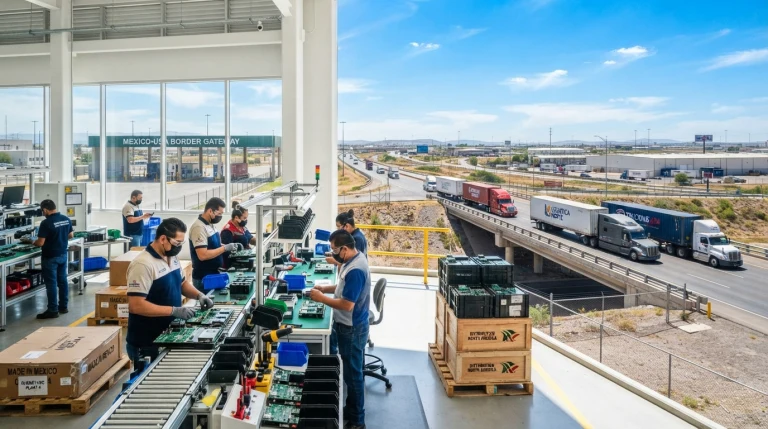
Is Nearshoring the Supply Chain Revolution That Finally Makes Economic and Political Sense — or a Trend That Will Quietly Reverse When Labor Costs Equalize?Is nearshoring the supply chain revolution companies have been waiting for — or a temporary fix that fades once labor costs catch up? Erica Williams champions the agility and resilience of manufacturing closer to home, Michael Johnson warns the cost advantages will erode as nearshore labor markets mature, and Linda Chen argues most companies haven't done the financial homework to know which side they'll land on.
Investments / Wealth Building
Is Buying a Boat, a Vacation Home, or a Plane Ticket Business Deductible — or Are You Just Hoping Nobody Looks Too Closely?Can a boat, a vacation home, or a plane ticket really be a legitimate business deduction — or is it just wishful thinking with a receipt attached? Robert Kiyosaki and Stephen M. McGowan insist deductions demand strict, provable business purpose, while Kimberly Ellison-Taylor argues lifestyle expenses can cross into legitimate territory when they genuinely serve networking or client relationships.