Credit & Personal Finance
Should You Ever Buy a Car With a Credit Card — and When Does That Actually Make Financial Sense?Buying a car with a credit card can make sense in a very narrow set of circumstances—but for most buyers, the risks outweigh the rewards. The potential benefits include cashback, points, and purchase protections, but those advantages disappear quickly if the balance carries interest. The real question isn't whether a credit card can buy a car, but whether the buyer can capture the rewards without turning a depreciating asset into expensive revolving debt.

Credit & Personal Finance
Should You Ever Sign a Personal Guarantee for a Business Loan — or Is That the Moment Your Business Risk Becomes Your Personal Risk Forever?A personal guarantee can help secure business financing—but it also puts your personal assets on the line. While it may be the only path to funding for many startups, signing one means your business debt could become your personal responsibility. Before agreeing, entrepreneurs should carefully weigh the potential rewards against the financial risks.

Credit & Personal Finance
Inheriting Debt: Legal Obligations or a Fear Tactic in Collections?Most people do not inherit their parents' debts—but many believe they do. In most cases, debts are paid from the deceased person's estate, not by their children. Experts agree that exceptions exist, particularly for co-signed loans or certain state-specific obligations, but they also warn that debt collectors may exploit confusion and grief to pressure heirs into paying debts they do not legally owe. Understanding your rights before responding to collection efforts can prevent costly financial mistakes during an already difficult time.

Credit & Personal Finance
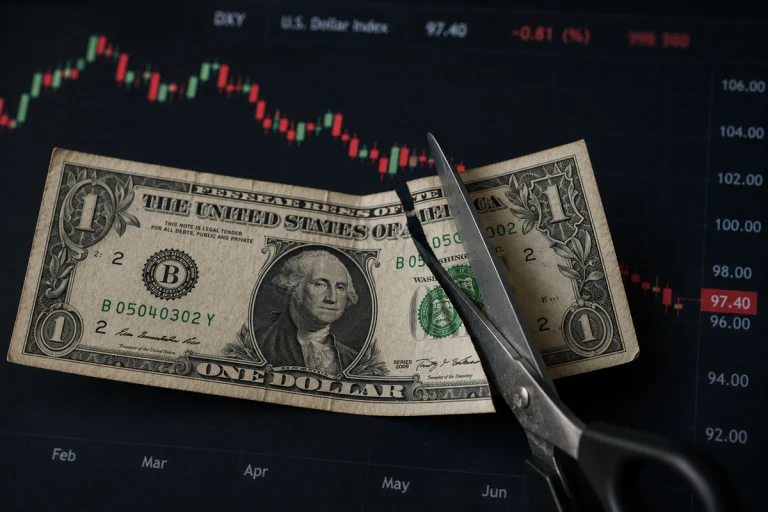
Is Shorting the Dollar a Legitimate Hedge — or a Political Bet Disguised as a Financial Strategy?Shorting the U.S. dollar is neither inherently a prudent hedge nor inherently a political statement. Its purpose depends on why the position is taken, what risks it offsets, and how it fits within a broader portfolio. For investors with genuine exposure to dollar depreciation, a short position can serve as risk management. For those making broad macroeconomic or ideological predictions, however, it increasingly resembles an active directional bet rather than a neutral hedge.
Credit & Personal Finance
Should You Trust a Bank's Own Financial Planning Tools — or Are They Designed to Sell You Products You Wouldn't Otherwise Choose?Bank-provided financial planning tools have become increasingly sophisticated, offering budgeting, savings projections, retirement calculators, and personalized recommendations within the same apps consumers use every day. While these platforms can improve financial awareness and make planning more accessible, they also operate within institutions that have products to sell. The key question is not whether these tools are useful—they often are—but whether users understand the incentives behind the recommendations they receive. Used thoughtfully, bank planning tools can serve as valuable starting points, provided consumers recognize where objective guidance ends and product marketing begins.

Credit & Personal Finance
Is Dying Without a Will the Most Expensive Financial Mistake You Can Make — or Does the State Actually Do a Decent Job?Estate planning is often postponed because it feels complicated, expensive, or unnecessary. Yet dying without a will can leave families navigating legal processes that may not reflect a person's wishes or unique family circumstances. While state intestacy laws provide a framework for distributing assets, they are designed as default rules rather than personalised estate plans. Financial and legal experts broadly agree that a will reduces uncertainty, minimises disputes, and gives individuals greater control over how their estate is managed. The debate is less about whether the state can administer an estate and more about whether relying on default laws is worth the potential financial, legal, and emotional costs for those left behind.